CREDENTIALS
The training behind the work
SA8000 Basic Auditor · Social Accountability International
SAI Registered Consultant — Social Accountability International
APSCA Member Auditor, ASCA
SAI Registered Consultant — Social Accountability International
APSCA Member Auditor, ASCA
ISO 19011:2018 Certified Auditor
ISO 9001:2015 QMS Lead Auditor
Global Organic Textiles (GOTS) lead auditor
IOIA Basic Crop / Processing and Handling / Wild CropProcessing and Handler Inspector
Rainforest Alliance (RA) - Supply Chain / Farm
Responsible Palm Oil (RSPO)
Bee Better (Xerces Society and Oregon Tilth)
NSF/ANSI 305
Death Doula Certification

Let’s talk about what those credentials actually mean
-
Currently working towards CSCA
There are roughly 5,000 ASCA-level auditors in the world. Fewer than 1,800 hold the CSCA, the highest credential issued by the only globally recognized body for social compliance auditors.
I’m in the examination series now. You’re catching me mid-ascent, which means you’re working with someone actively inside the hardest methodology this industry has.
-
Approximately 500 exist worldwide.
This is the consulting credential issued by Social Accountability International, the organization that wrote SA8000, the most rigorous social compliance standard on the planet.
I became one in April 2026. There are not many of us.
-
SA8000 is the standard. Living wage assessment is the part most auditors quietly skip because the math is uncomfortable.
I completed specific certification in assessing current wages against living wage benchmarks because that number is the whole point.
-
This is the international framework that governs how auditing itself is supposed to work.
Most auditors operate inside standards. I’m also certified in the methodology of auditing itself.
That’s the auditor’s auditor credential.
-
These are the certifications consumers see on labels and largely trust without knowing what they mean.
I’ve been trained to evaluate all of them. Combined, these standards cover the majority of what “ethically sourced” claims in food and textiles are actually built on.
-
Active since 2015
This is where it started. Wild harvest mushrooms. Christmas trees. A manila envelope in the mail and a lot of terrible coffee decisions on dirt roads. This includes three years focus on international imports and exports - I was really fascinated by it at one time and by now you can tell I tend to focus on things I find interesting.
Still active. Still relevant. The organic foundation is what made everything else make sense.
-
I have never offered death doula work as a service. I don't intend to, you can tell by now I travel too much.
But spend enough time in fields and you stop being surprised by it. Farmers aren't. Beekeepers aren't. Death is not the opposite of productive systems — it's part of the cycle that keeps them honest.
What the training gave me was a framework for what I already knew from the work: that the most important information in any room is usually the thing nobody has figured out how to say yet.
That travels into worker interviews. Into exit meetings. Into every system where the official version and the true version are not the same thing.
That credential lives here because it belongs here. You can learn more about this with a link to Doula CO-OP.
HOW I GOT HERE
It Doesn't Fit On A Resume
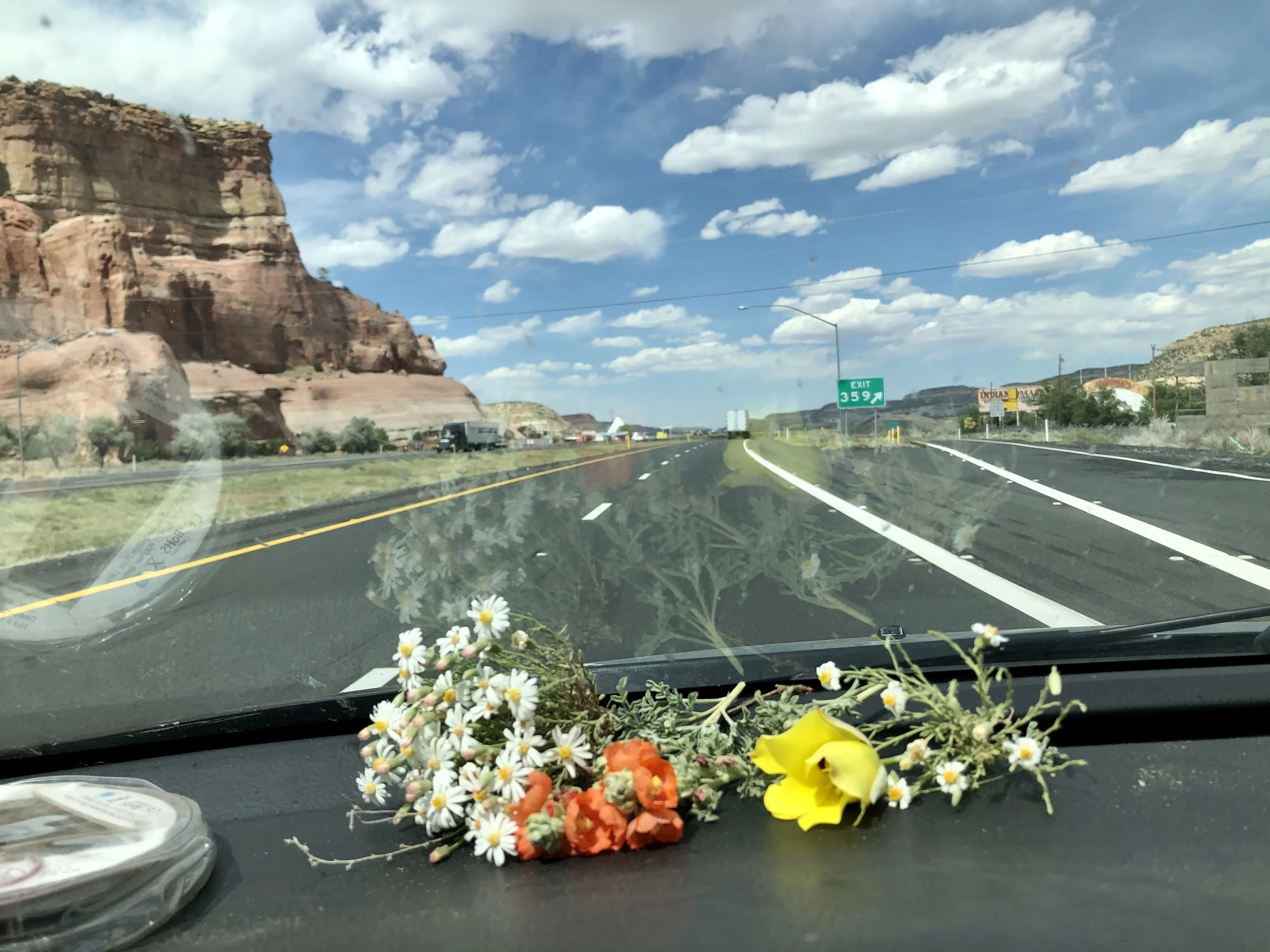

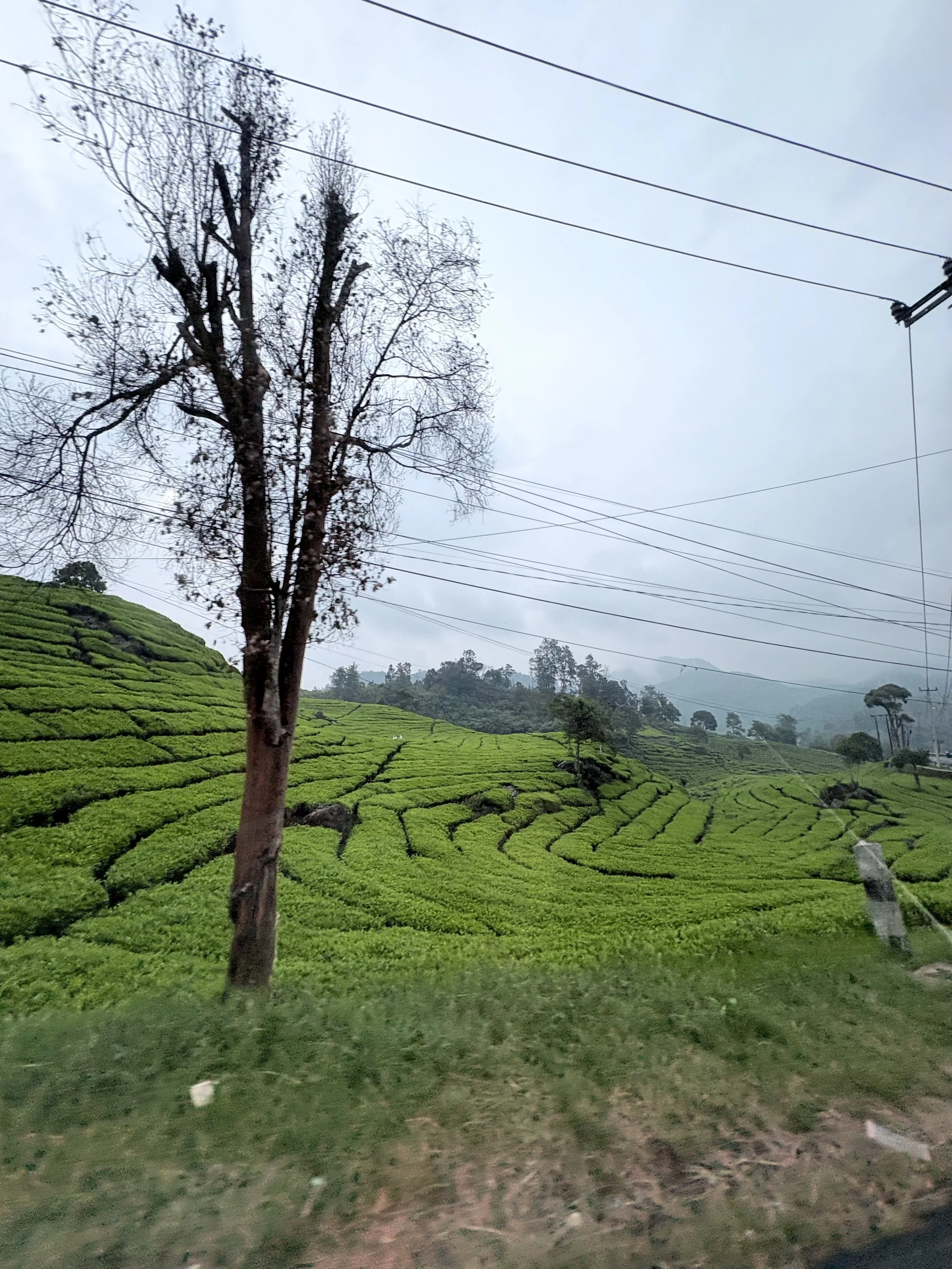
Root and Wander is what I do with all that information.
Root and Wander is what I do with all that information.
Compliance in agriculture has always been a bit of an oxymoron. One demands structure, documentation, and repeatable systems. The other answers to weather, biology, and things no checklist has ever anticipated. Turns out the wildest thing in the whole operation is the assumption that everyone just figures that out on their own.
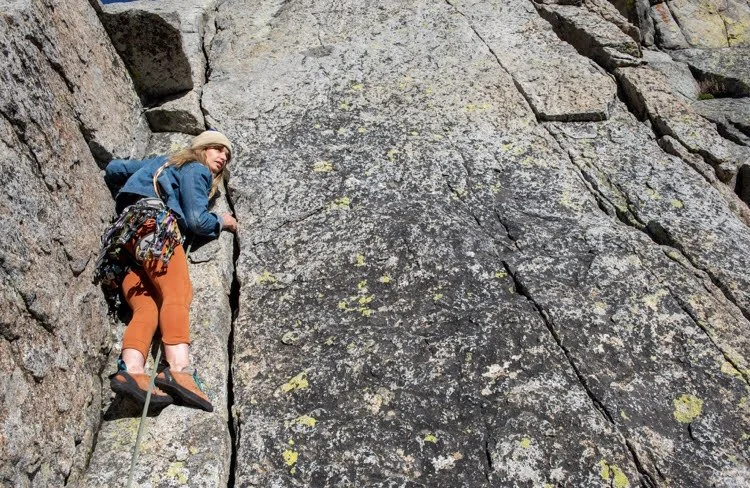
The resume shows the structure I can command. What it doesn't show is the years of beekeeping, the seasons hanging professional Christmas lights because it used my climbing skills, the half marathons between audits because although I despise running it was the only sport I could do with such heavy travel, the week I accidentally worked in all four states starting with the letter I in five days, the Advanced Wilderness life support trainings after being humbled on my weekends — the full patchwork of a person who stayed genuinely curious and never once did something just because it looked good on paper.
The wild taught me what honesty looks like.
Auditing showed me all the ways it can appear.