
WORK WITH ME
-
Every unsubstantiated living wage claim is a gamble.
EU buyer questionnaires, retailer onboarding requirements, investor ESG requests — the pressure is moving upstream faster than most US brands are ready for. When it arrives, a quality manager can't answer it alone. Living wage touches procurement, HR, finance, and every supplier relationship simultaneously.
In one week you'll have a documented benchmark comparison, a clear gap analysis, and a defensible assessment from an independent third party.
For companies already doing the work, this is confirmation. For those who've made the claim and aren't sure it holds, this is the answer before someone else asks the question.
Delivered by an APSCA Member Auditor and SAI Registered Consultant — one of approximately 500 worldwide.
This assessment covers one supplier tier, delivered within five business days.
LIVING WAGE GAP ASSESSMENT
SO - WHY ME?
There are roughly 500 SAI Registered Consultants in the world. I became one in April 2026. I’m also mid-examination for the CSCA — the highest credential issued by the only globally recognized body for social compliance auditors. Fewer than 1,800 people hold it.
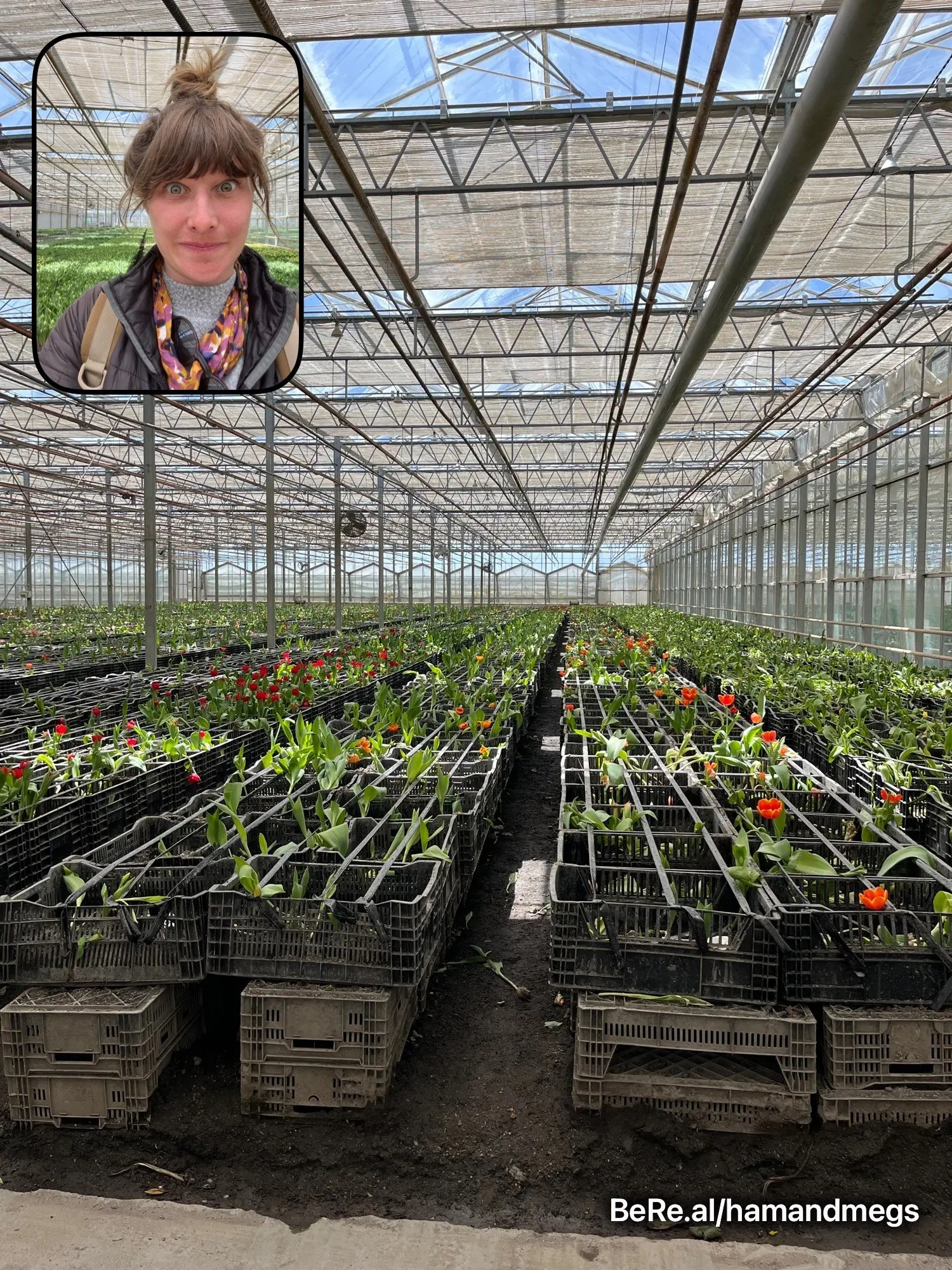
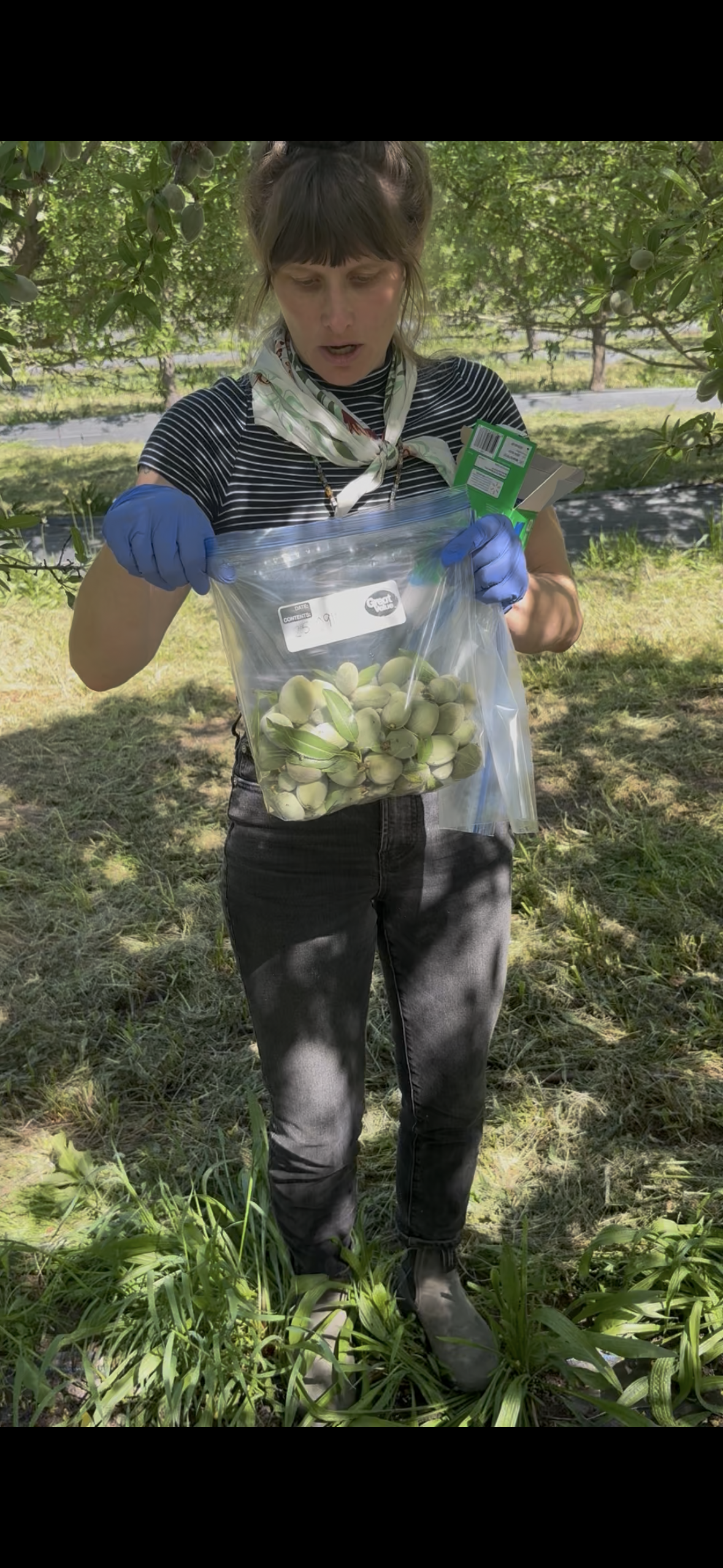
I work across Rainforest Alliance, GOTS, ROC Social, SA8000, and living wage frameworks across food, agriculture, and textiles, remotely, with twelve years of field experience behind every recommendation. You’re not working with someone who learned this years ago and stopped looking. You’re working with someone actively inside the methodology, right now.

You're audit-ready. Your living wage number isn't.
The gap between what people are paid and what it costs to live has always existed. What's new is that certain marketing claims require it, SA8000 measures it, the EU Supply Chain Act is legislating it, and your buyers are asking for the number.
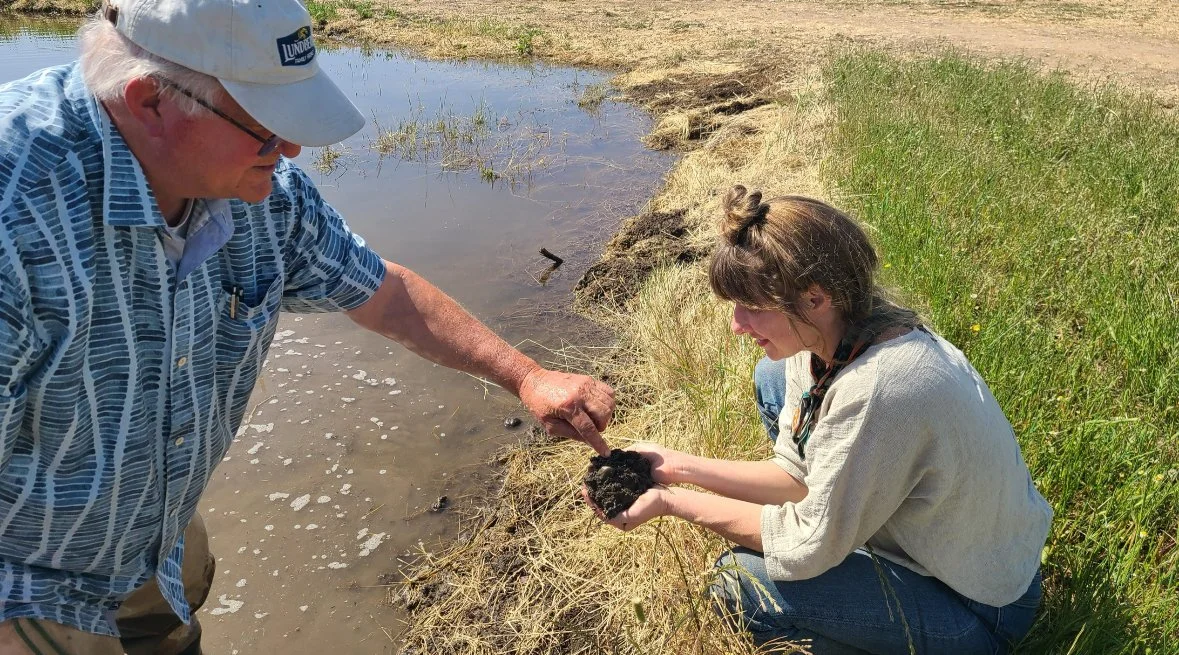
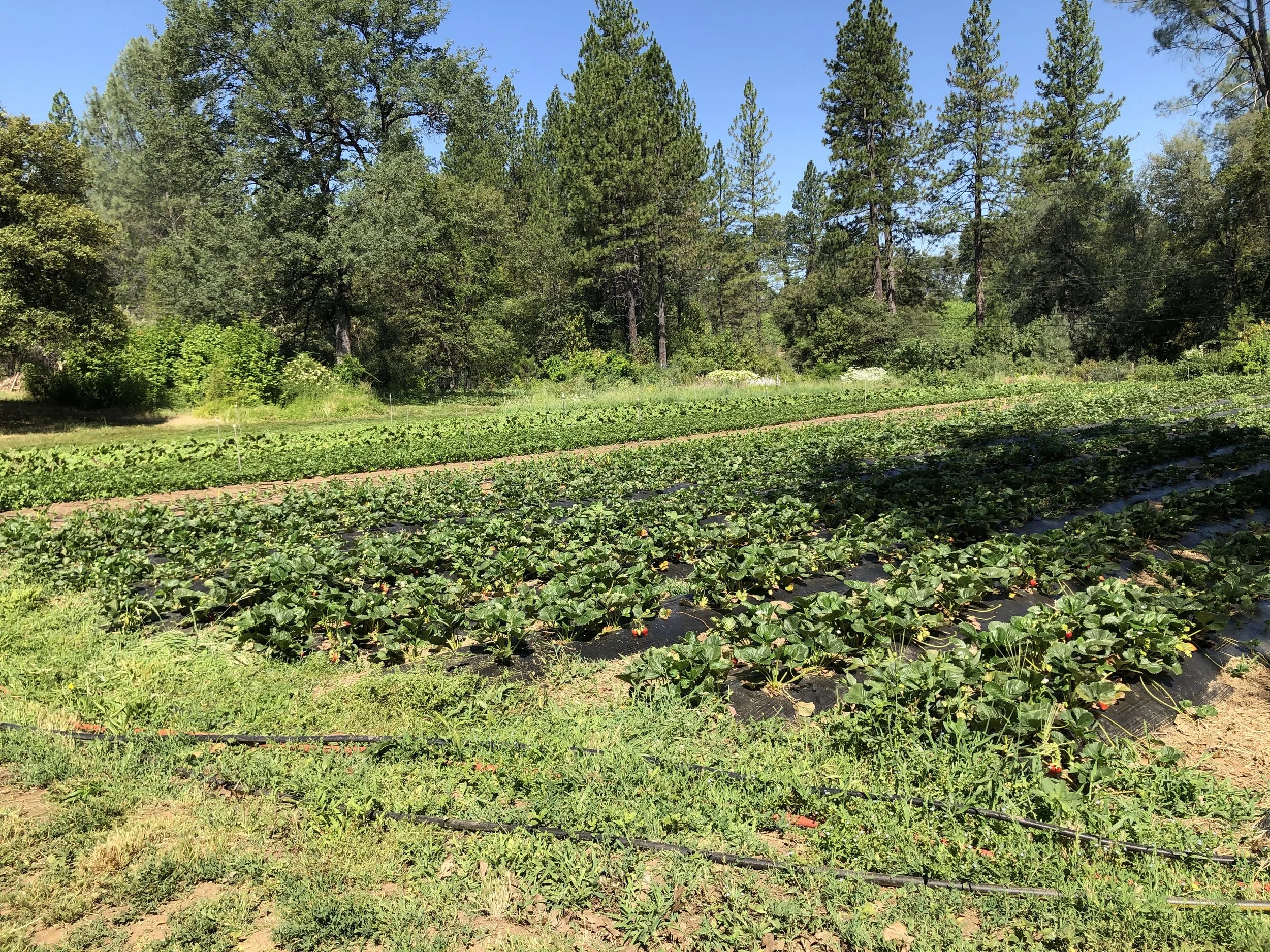
Nature doesn't issue warnings. It just shows you what you missed — in the soil, in the water, in the harvest. Supply chains work the same way. Underpaid workers don't disappear. They show up in turnover, in grievances, in audits that find everything except the thing that matters.
The methodology, the benchmark, the documentation. Hire me and you have all three in a week.
Living wage is the fastest-growing requirement in ethical sourcing.

Most operations learn what a social compliance audit finds after an auditor finds it. That’s a harder conversation than it needs to be.
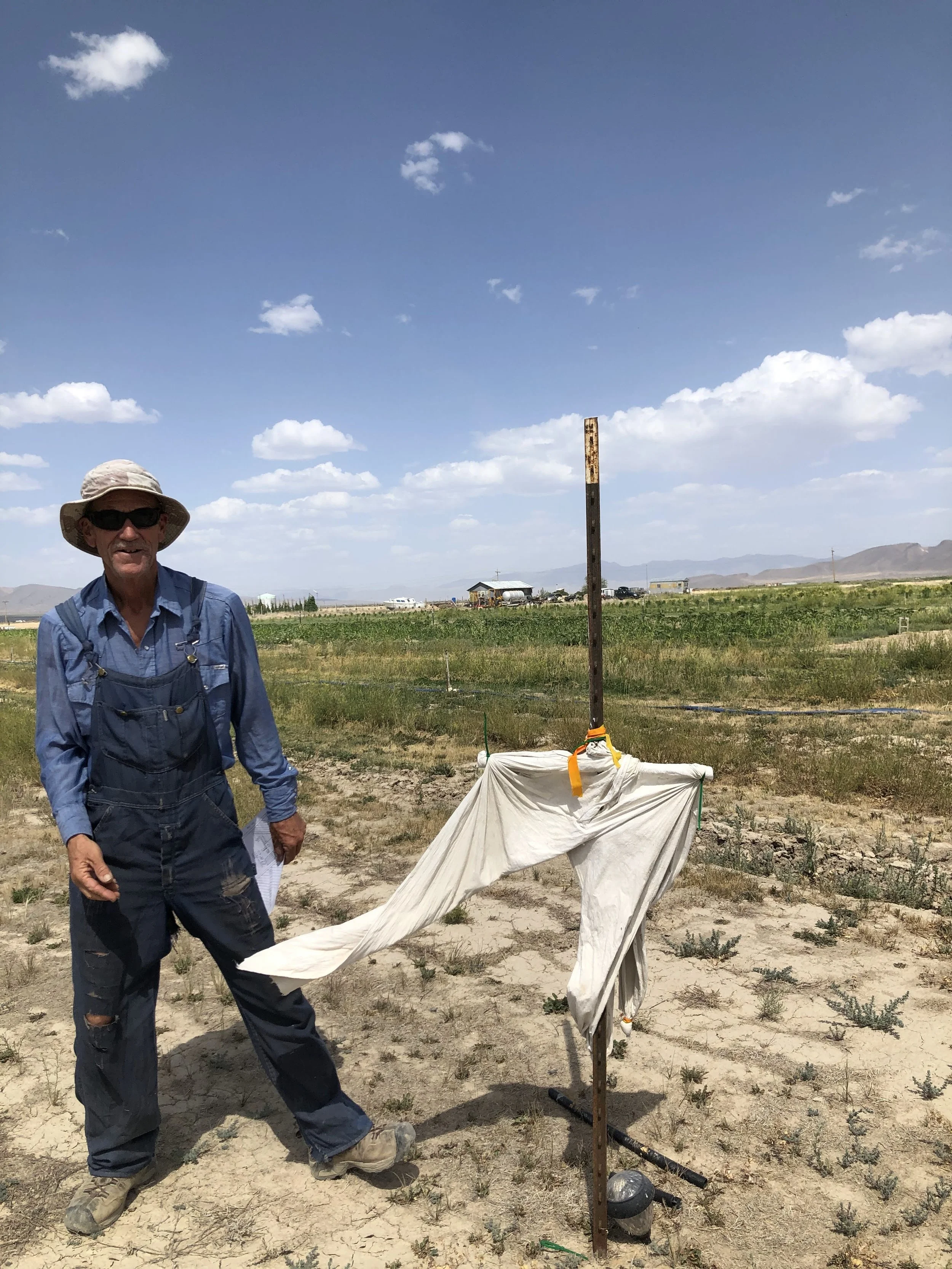
The companies sourcing from workers in food, agriculture, and textiles are navigating real complexity — certification requirements, buyer pressure, and a growing expectation that “ethical sourcing” means something they can actually demonstrate. Not all of them know where they stand. Many don’t know what questions to ask.
That’s not a failure of intent. It’s a gap in information. And it’s exactly the gap I work in.

THE PROCESS
Nobody taught us how to do this while we were busy building supply chains. These are vulnerable questions — what are we actually paying people, does our grievance process work or does it just exist, what would a worker say if no one from management was in the room?
I don’t conduct audits for the companies I consult with. I help you ask those questions honestly first, before someone else asks them for you.
The operations that do that work see it in their retention, in their culture, and in claims to consumers that actually hold up. You don’t have to have it figured out to start. That’s the whole point.

SPEAKING, WORKSHOPS AND OPPORTUNITIES
I speak about living wage implementation, social compliance from a practitioner’s perspective, and the intersection of agricultural systems and worker dignity.
Conference sessions, half-day workshops, industry training days.
To inquire, use the contact form and include the event, date, and format.
Note
I don’t take on more than I can do well. If I’m at capacity or your situation isn’t a fit, I’ll tell you directly and point you somewhere useful.