Everything I know about this industry is here.
Free.

For everyone. The person buying the oat milk. The person harvesting it. The sustainability coordinator who just got handed a SMETA report and an non descriptive affirming head nod. The buyer who signed off on a code of conduct they've never fully read. The consumer who suspects "Rainforest Alliance certified" means something but couldn't tell you what.
Certifications are supposed to be how companies communicate their values to the people buying their products. There are just — a lot of them now. And they don't all mean the same thing. And nobody handed out a decoder ring.
This is the watering hole. Pick your path from here.
Are you a worker? A buyer? A curious human who just wants to know if the logo on your coffee bag means anything? There's something here for you. No paywall, no signup, no wrong door.
Want to go deeper? I write on Substack — the cases, the context, the things that get too long for a resource page.
And if you think something’s missing, say so. There’s a suggestion button right here. This only gets better if more people are in the room.
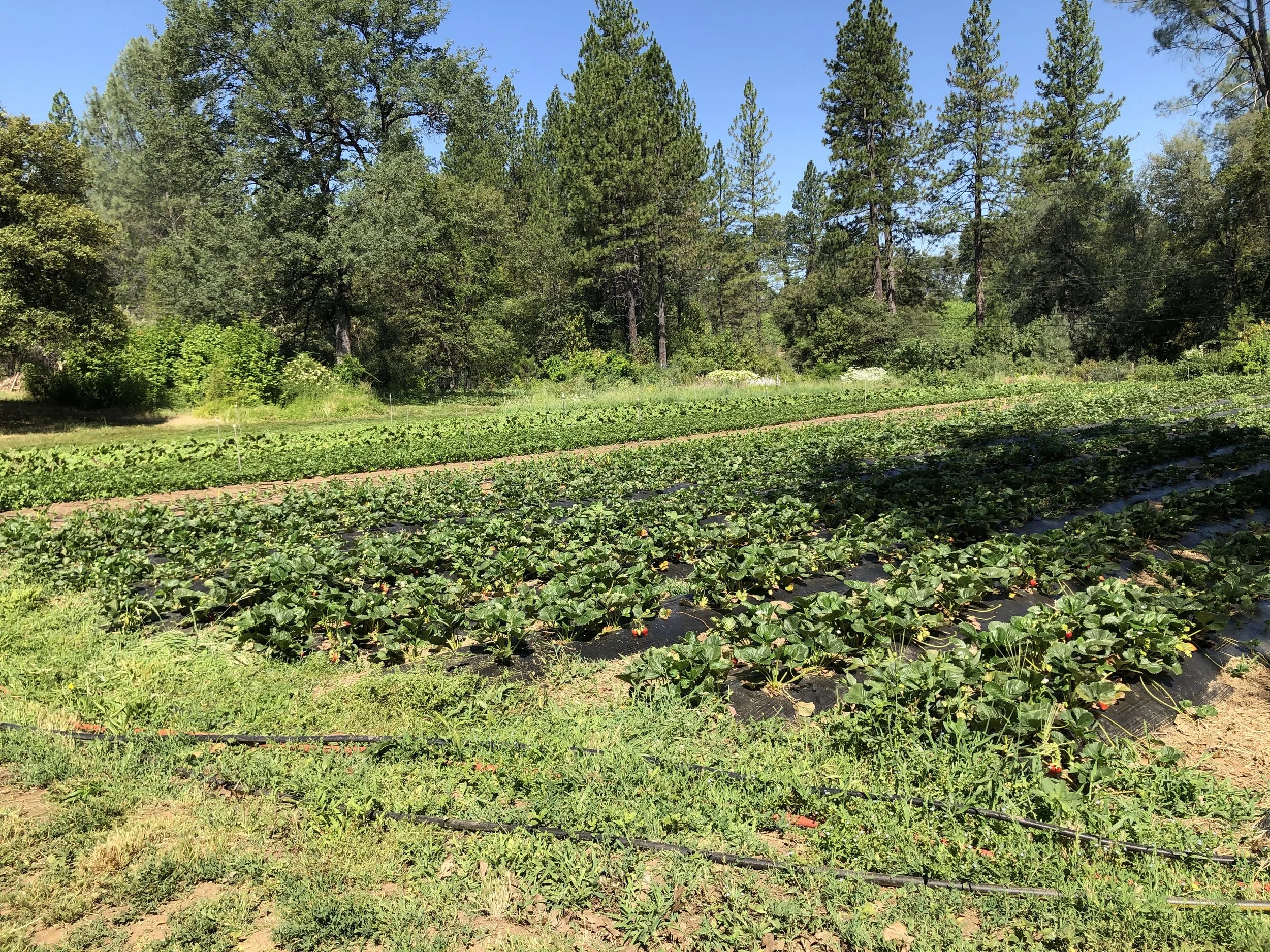
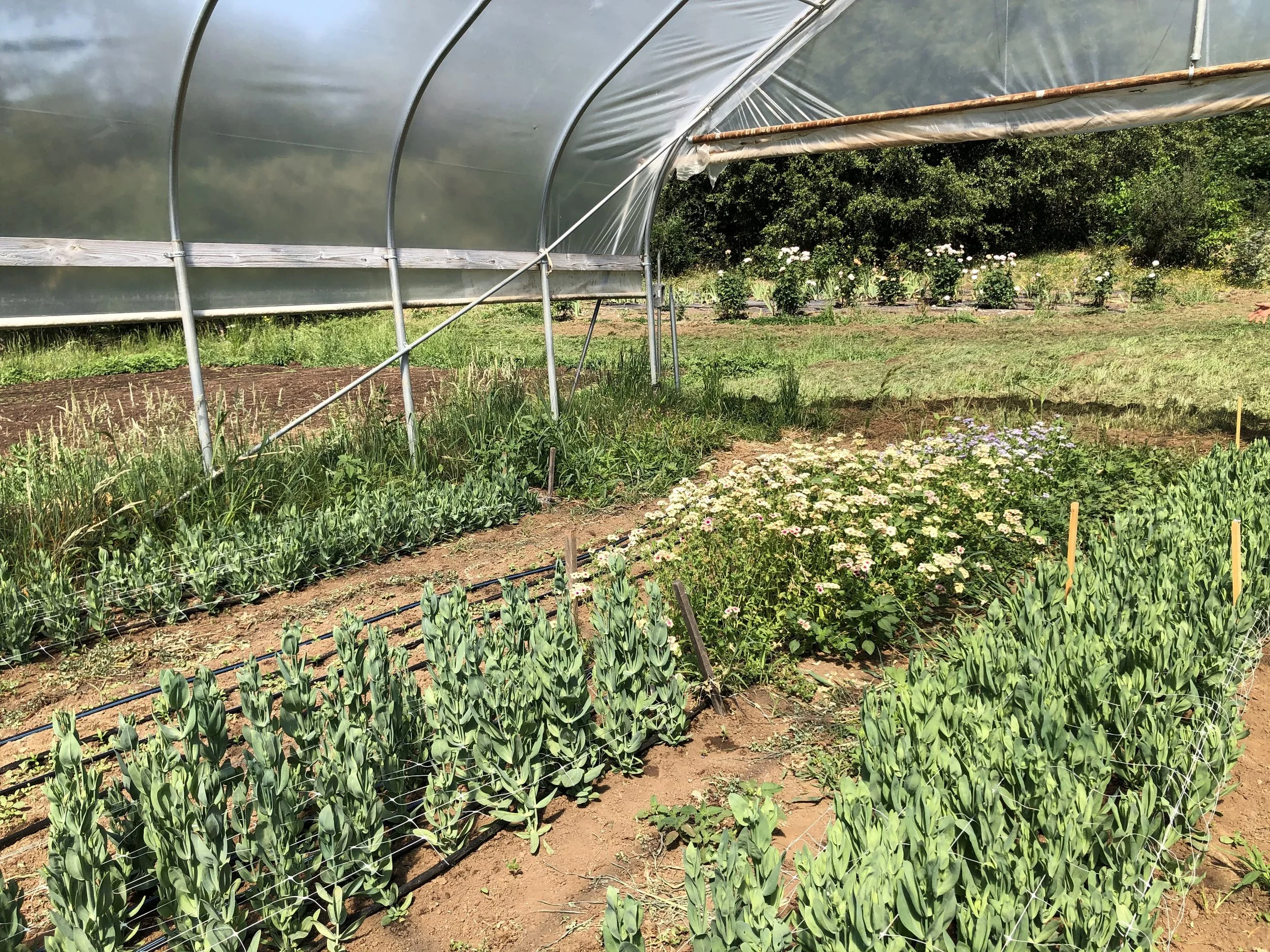
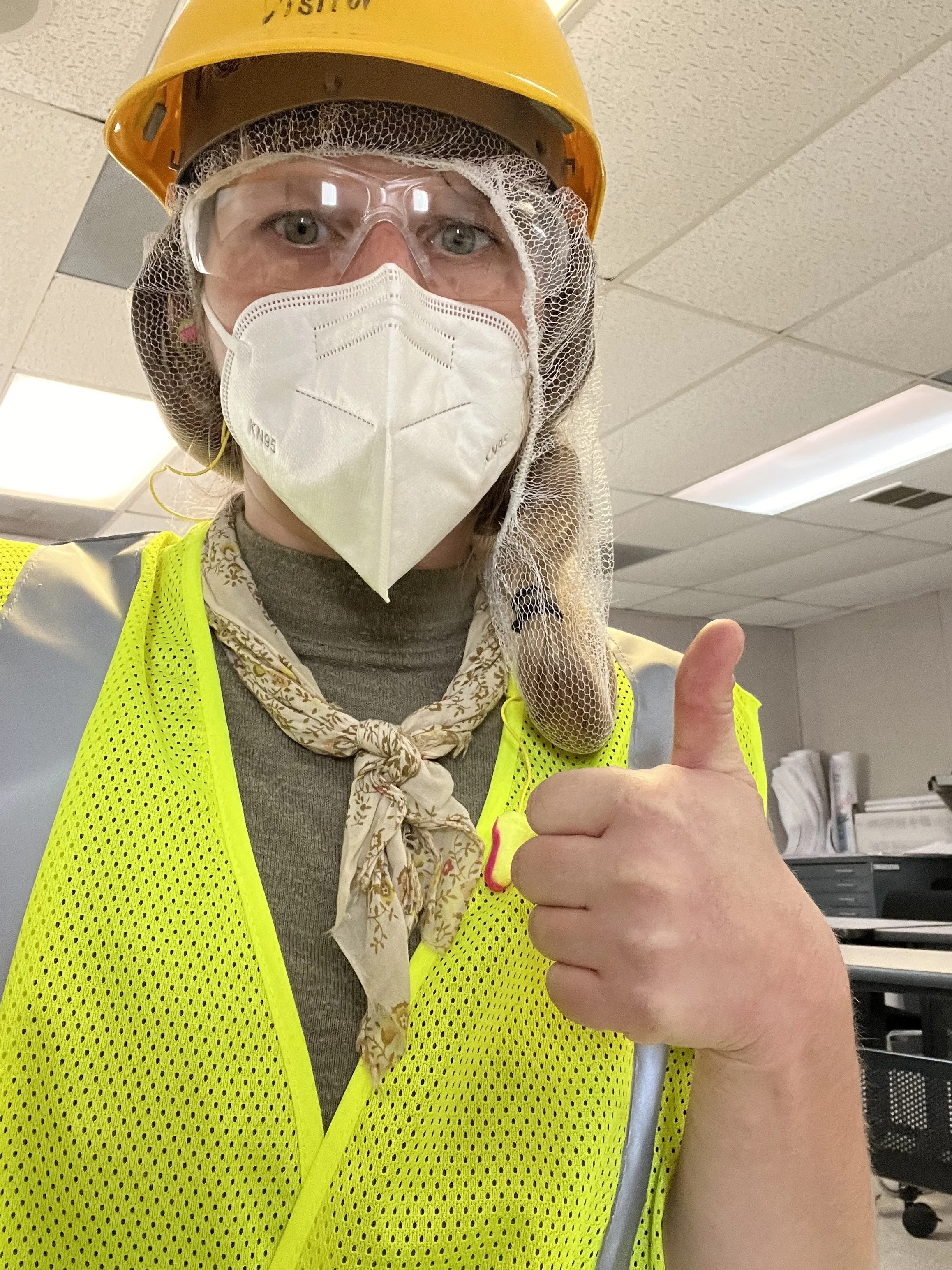
This industry has grown faster than the guidance around it. That shouldn't mean navigating it alone.
If you read something here and realize you need help doing the work, you know where to find me.
START HERE
If you’ve received an audit request
and need to understand what SMETA or ROC Social means in practice, or what buyers are actually asking for.
If you’re a practitioner or inspector
working as an organic inspector, sustainability coordinator, or auditor thinking about moving into social compliance.
If you’re a consumer trying to understand these claimand want to know what organic, fair trade, SMETA, or SA8000 certifications actually mean, and how to read them critically.
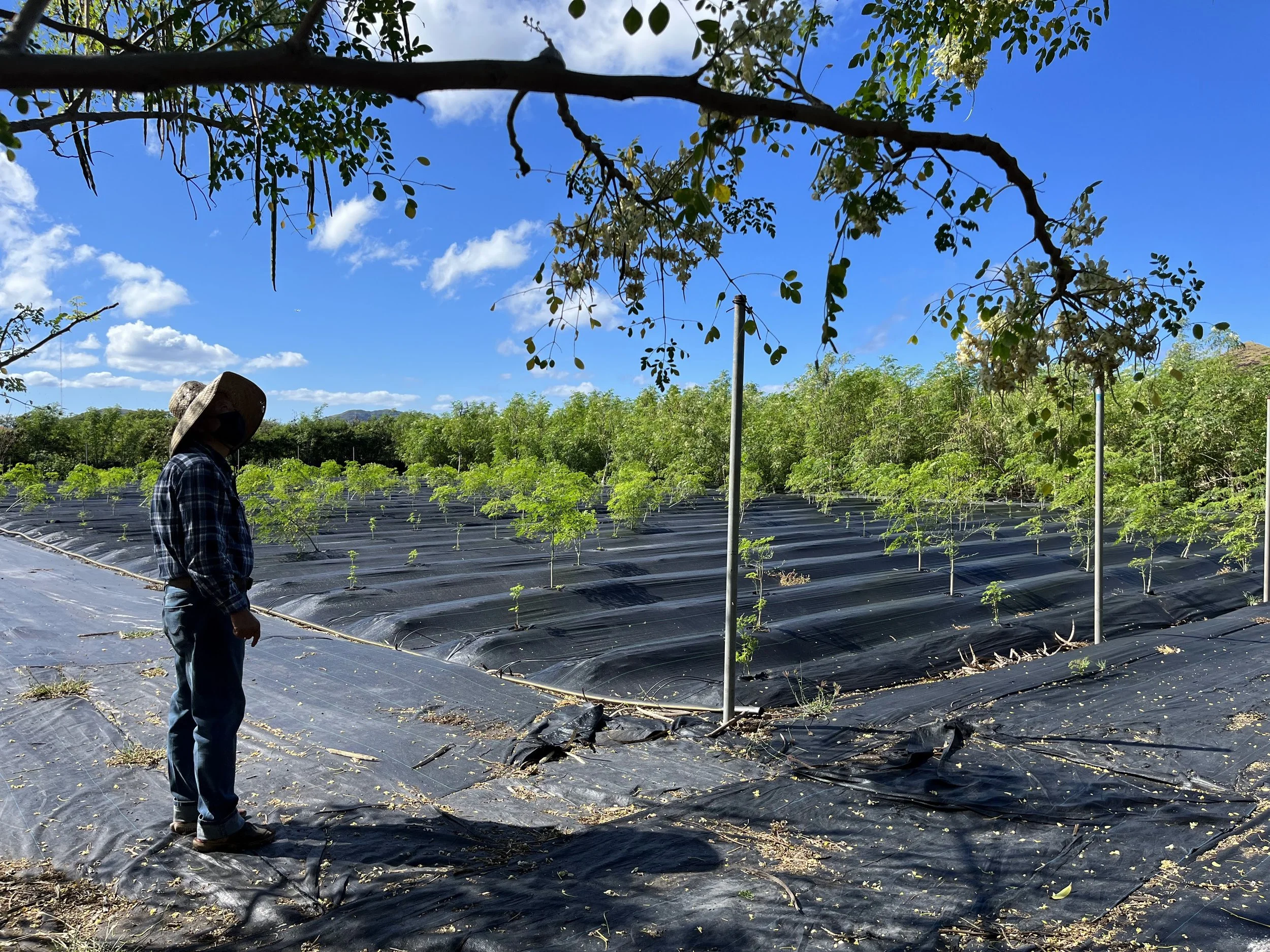
Articles





A note on this industry
Social compliance auditing needs more skilled independent practitioners, not because there aren’t enough auditors, but because the knowledge required to navigate it is scattered, expensive, and mostly locked behind credentials that take years to earn.
I want more people who know how to read a SMETA report critically. I want consumers who ask harder questions. I want companies whose sustainability claims hold up because the work behind them is solid, not because the language was carefully chosen.
A more honest industry makes everyone’s work more meaningful. Including mine. That’s why this is here.